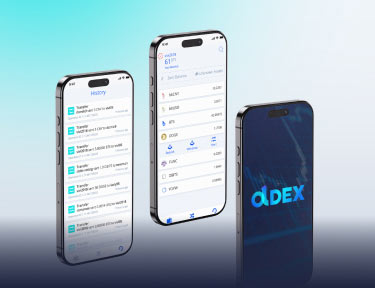
DEX for PSP
How a payment service provider can
accept almost any liquid token
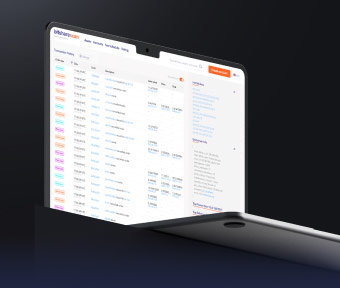
We added a DEX for this licensed PSP – they got decentralized trading without breaking compliance
With our help, this crypto payment gateway supports more payment options than anyone in North America.
001
ClientAn American payment service provider
002
ChallengeAdding thousands of small cap tokens into a licensed payment product
003
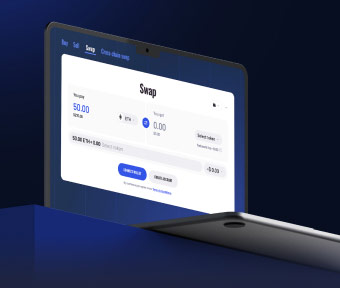
SolutionIntegrated a decentralized exchange (DEX) but kept it separate from the PSP
Tokens
+16,000
Сountries
+190

Add decentralized liquidity to your PSP
Let customers pay
their way and watch
conversions
skyrocket
There are more than 560 million crypto holders worldwide, yet paying with crypto is still far less flexible than paying with traditional money.
In the fiat world, it doesn’t matter which currency you have. If a merchant supports Visa or Mastercard, they can accept virtually any currency. A shopper can pay in euros, dollars, yuan, or pesos anywhere in the world – the infrastructure will automatically convert currencies at a fair rate.
But with crypto it’s a different story. There are thousands of tokens on the market – but most crypto providers only a few of them.
This is friction at the worst possible moment:
сheckout
Picture this: a customer wants to pay with crypto, but the coin they hold is not supported. Now, instead of purchasing, they have to leave the crypto payments flow, open – or even download – a third-party exchange, convert into a supported coin, and only then come back. That’s at least four dropout opportunities.


average global card
abandonment rate
How many customers will finish the payment flow?
To capture more payments, merchants need to meet customers where they already are. Make payments smooth with no extra steps
That is what our PSP client set out to do
This is friction at the worst possible moment:
сheckout
Picture this: a customer wants to pay with crypto, but the coin they hold is not supported. Now, instead of purchasing, they have to leave the crypto payments flow, open – or even download – a third-party exchange, convert into a supported coin, and only then come back. That’s at least four dropout opportunities.
How to integrate DEX into a licensed fintech?
A licensed PSP cannot simply bolt a DEX onto its stack and hope for the best. The product still needs to preserve compliance, custody boundaries, transaction oversight, and clean merchant settlement flows
On-chain swap logic can expand token access, but if it is introduced carelessly, it can also weaken the control model that a licensed fintech depends on.
Here is the central architecture challenge: how do you add decentralized trading infrastructure to a compliant payment environment without letting the DEX layer break the PSP?
Solution
Separating the DEX from the PSP

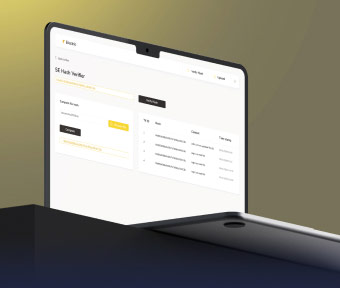
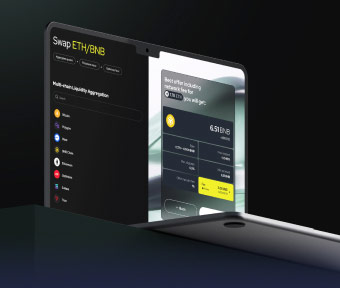
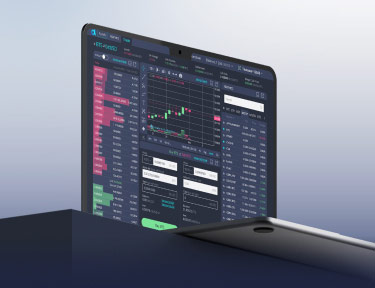
The DEX could not sit inside the PSP, so we split it out and connected the two through a VASP connector.
The PSP continued to run the regulated side of the product: the payment flow, compliance checks, custody logic, and merchant settlement. The DEX handled what the PSP alone could not, which was access to on-chain liquidity and conversion across a much wider range of assets.
The VASP connector controlled how assets moved between those two environments. It created a defined handoff point instead of letting decentralized execution bleed into the PSP core.
That gave the client a way to expand token acceptance without weakening the control model the payment business relied on.
The flow followed this logic: custody, bridge, and swap. Funds entered a controlled environment first. Then the connector routed them into the DEX layer for execution, while the PSP kept control over the broader payment and settlement process.
The flow followed this logic: custody, bridge, and swap
Funds entered a controlled environment first. Then the connector routed them into the DEX layer for execution, while the PSP kept control over the broader payment and settlement process.

Wallet integration
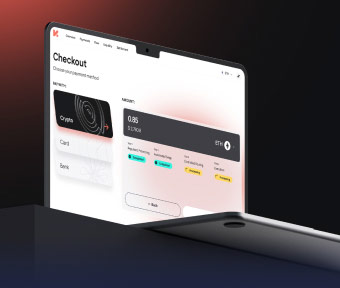
To make crypto payments even more convenient, we offered flexibility. We gave customers two ways to pay in crypto. Customers can directly connect their wallet to the merchant or send crypto manually.
Exchange rate engine
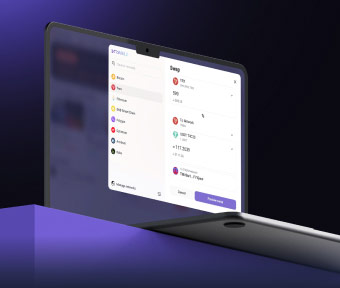
To let the client support thousands of tokens at the best rates available, we built the execution engine. It checked multiple liquidity providers in real time and locked the best available rate for each transaction.
Automated swap module
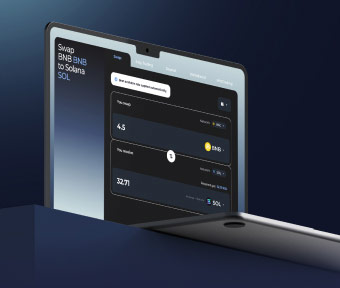
Customers may want to pay in thousands of different assets, but merchants do not want to receive whichever volatile token happens to come in. In most cases, they want settlement in a stablecoin. That’s why we built an automated swap module – it converted incoming payments into the merchant’s chosen settlement token inside the flow itself.
Results
16000 payment methods tokens without breaking the PSP
“As a licensed provider, staying compliant was never optional. We needed a way to expand token access without compromising the control model our business depends on. Aetsoft helped us design that path. They found a way to integrate DEX integration with our payments product while keeping the regulated core intact.”

The client can now offer far more payment options than almost any traditional crypto payment provider. Customers can pay with +16000 liquid coins, instead of being limited to a short list of majors.
At the same time, merchants do not have to absorb that complexity. They can still settle in the token they want, without having to touch volatile crypto they do not want on their balance sheet.
Most importantly, the DEX layer does not break the PSP. Compliance remains inside the regulated payment model. Custody remains controlled. Asset movement follows a governed bridge. Swap execution expands what the product can do, without undermining how the licensed business operates.