Brands were shopping for an audience
We took XLA Metasites to the buyers who already had one
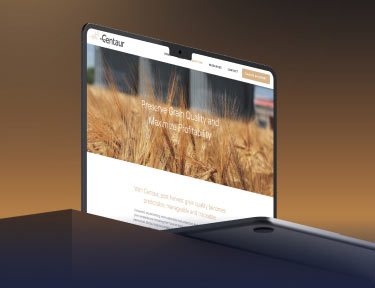
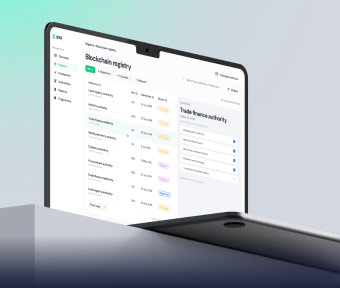
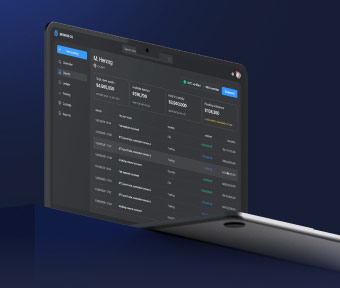
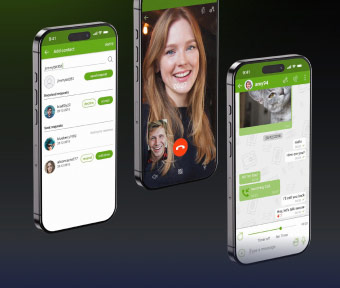
Xsolla's Metasites platform could not compete with Roblox and Fortnite for the audiences those platforms already had. Aetsoft defined four enterprise products for organisations that bring their own audiences, worked out how the offer should earn, and took them into enterprise conversations with the Xsolla team.
In 2023 Xsolla had a strong 3D platform and a weak answer to one question: why would an enterprise buy a virtual space nobody was standing in? Over six months we selected four industries against three tests, productised one use case in each, and defined them in enough detail to be implemented. We did the product thinking and the game design. Xsolla implemented them on its platform.
001
ClientXsolla, a gaming fintech company. XLA Metasites was its platform for branded 3D environments, built on Unreal Engine 5 and reached through a browser on any device.
002
ChallengeMetasites had no audience of its own to sell, so the enterprise case had to rest on something the gaming platforms could not offer.
003
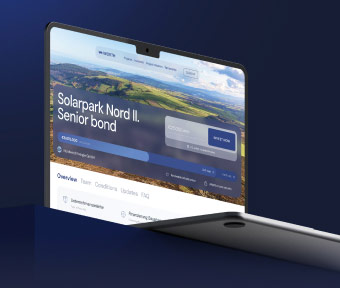
SolutionFour productised use cases for organisations that already control an audience and have a job worth funding: onboarding and training, residential sales and community, football fan commerce, and clinical simulation.
004
Aetsoft's roleMarket analysis, industry selection, product definition and game design, the commercial model, and enterprise engagements run with the Xsolla team. Xsolla implemented the experiences on its own platform.


Engagement lead
Artem Kirylin
 Commercial Director, Aetsoft Inc
Led the commercial relationship, market development.
The enterprise case rested on assumptions the 2023 market had stopped rewarding
Metasites put a photorealistic 3D environment in a browser tab, reachable on any device, with characters that could hold a conversation. The platform side was solved.
What had aged was the commercial assumption underneath it. A brand buying a virtual space in 2023 was buying access to people, and it bought where the people already were. A worse looking world with an audience in it beat a beautiful one without.
So the question a standalone platform had to answer, before any enterprise would fund it, was who would be standing in this and why.
Sell to the buyers who already own an audience
If you cannot supply an audience, sell to buyers who already have one. That turns the pitch from a media buy into business software.
Aetsoft defined three tests, and every candidate had to pass all three.
- The buyer already controls the audience. Employees, residents, fans, students. People the organisation can invite, oblige or reward into the experience, so nobody has to be lured away from somewhere more entertaining.
- The product does a job someone already funds. A cost the buyer is already paying in another form, or a revenue line it is already trying to grow.
- The job needs what this platform is good at. Photorealistic environments with custom business logic running inside them. If a web page, a video or a booking form would do the same work, the environment is an expense with nothing to recover it.
That third test removed most brand activations, and kept the cases where the environment runs part of an operation.

Sell to the buyers who already own an audience
If you cannot supply an audience, sell to buyers who already have one. That turns the pitch from a media buy into business software.
Aetsoft defined three tests, and every candidate had to pass all three.
- The buyer already controls the audience. Employees, residents, fans, students. People the organisation can invite, oblige or reward into the experience, so nobody has to be lured away from somewhere more entertaining.
- The product does a job someone already funds. A cost the buyer is already paying in another form, or a revenue line it is already trying to grow.
- The job needs what this platform is good at. Photorealistic environments with custom business logic running inside them. If a web page, a video or a booking form would do the same work, the environment is an expense with nothing to recover it.
That third test removed most brand activations, and kept the cases where the environment runs part of an operation.
No enterprise has a budget line for virtual worlds. It has lines for training, for sales and marketing, for fan engagement, for teaching capacity. The product gets funded when it comes out of one of those, so it has to give that budget holder something to show.
that already exists
There are two ways to do that, and we designed for both.
- Take out a cost the buyer already carries. Trainers moving between sites, staff walking buyers around show homes, clinic hours split between students.
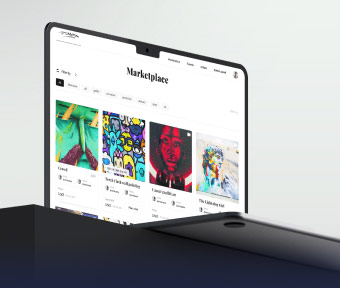
- Add a revenue line the buyer has no other route to. Commerce inside the experience, sponsorship space, memberships, digital goods.
Brand presence is not a third way. It is what the disappointed buyers of 2022 had already paid for once.
The price then has to match how that value arrives, which takes three parts.
- Implementation is staged against progress instead of charged as one delivery, because a buyer cannot fully specify this kind of product at the start.
- The running cost scales with use. A hosted 3D environment costs real money per concurrent user, so a flat licence fee is wrong in both directions.
- A share of what the environment earns applies wherever the product carries commerce. Only the use cases with commerce inside them can support that part, which is one more reason the selection mattered.
The audience was on Roblox and Fortnite. The money was in operating budgets.
Two studies sat behind the tests.


Four industries passed, and we productised one use case in each
Onboarding and training for corporate employers. Sales and community for residential developers.
Fan participation and commerce for football clubs. Clinical simulation for universities.
All four clear the three tests, and the fourth clears them by the widest margin.
We productised once, then adapted to each buyer
An Aetsoft commercial lead, technical lead, game designer, system architect and marketing specialist worked the engagement together, alongside the XLA squads, meeting weekly throughout.
Six stages, in the order the decisions depend on each other.
How the engagement ran
001
Market analysis:
find out what the platform could not win
Before anything was designed we established where the platform would lose. Audience-led propositions were unwinnable against the gaming platforms, and the open crypto worlds had shown what an empty environment is worth. That produced the three tests.
How the engagement ran
002
Industry selection:
apply the tests without exception
Four industries passed all three tests. Several plausible ones failed, and we turned those down. The tests were written before the opportunities arrived, which is what made that possible.
How the engagement ran
003
Product definition and game design: build each vertical once, properly
Each industry was worked up as a complete product. The buyer, the funded job, the user journeys for each population, the game mechanics, the AI character roles and the revenue logic. Then the game design itself, in the detail an engineering team needs.
Writing a vertical product costs weeks. Adapting a finished one to a named buyer costs days.
How the engagement ran
004
Commercial model: settle how the offer
earns before selling it
An offer with no pricing logic cannot be qualified, because nobody knows what a good opportunity looks like. We settled the three layers the price had to carry before the products went out.
How the engagement ran
005
Implementation guidance: hand the design to Xsolla's engineers
The product and game design went to Xsolla's team, who owned the platform and did the development. Our job here was to answer what the documents raised, and to keep the built experience recognisable as the product that was specified.
How the engagement ran
006
Market development: take the products to buyers, together
Each opportunity got the vertical product reshaped around its own operation, users and commercial case, and we pitched it with the Xsolla team. A global employer, a residential developer, a football club, a university programme.

The solution
Four products, defined to the level Xsolla could implement

One use case per industry, each taken down to the buyer, the journeys, the mechanics and the money, plus the character layer all four depend on.

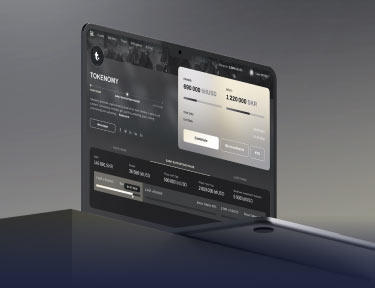
Corporate employers, onboarding and training across sites
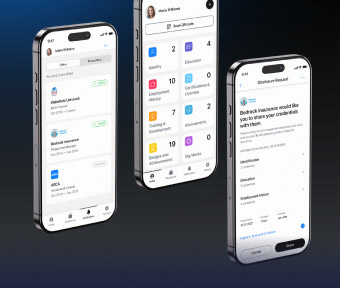
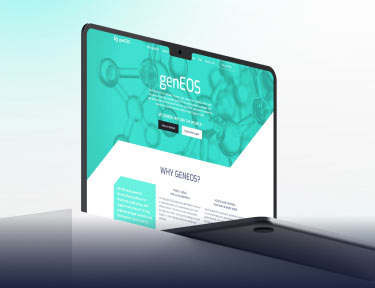
Here the buyer is an employer with sites in several countries, and a training cost that scales with every one of them.
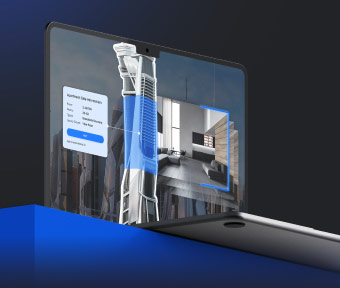
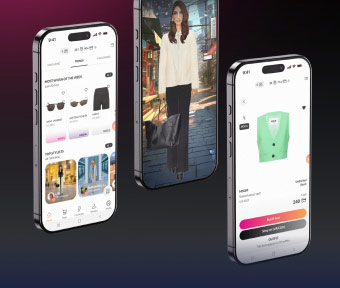
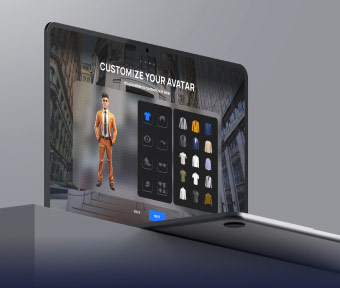
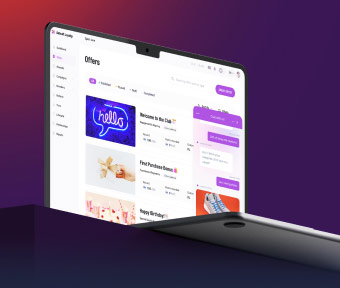
We built the experience around replicas of the company's own locations. A new hire walks the office, runs process simulations, takes safety drills, follows the production line and works through quality control, with AI characters guiding and taking part. Quizzes and content earn rewards, and a manager can see the progress.
The saving is the business case. Weigh what it costs to put a new hire in front of a trainer against a platform cost that does not rise with headcount or geography.
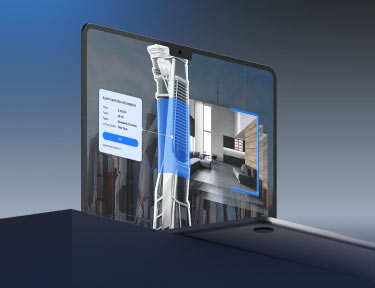
Residential developers, from the sale through to living there
This buyer is a developer building master-planned communities. It already owns the audience twice over: the buyers in its pipeline, and the residents of everything it has finished.
We defined three journeys, because the developer serves three populations. Residents get a digital twin of the property they bought, a verified identity and neighbours. Businesses rent virtual premises and staff them with employees or AI characters. Institutions such as banks, clinics and schools replicate a branch or run a purely digital one.
One mechanism sits between purchase and handover. Somebody buys an apartment that will be finished in two years. In the meantime they walk through it, configure the layout and try interiors. Their choices pass straight to suppliers, who can meet them inside the same space to discuss it. Two years of silence become two years of contact, and the fit-out spend lands with the developer instead of leaking away.
After handover the environment carries property management: service requests, maintenance, documents, bills and community meetings. The developer's revenue does not stop at the sale, which is the point of building it this way.
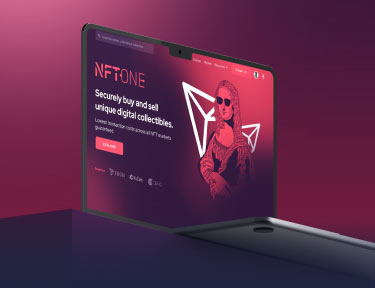
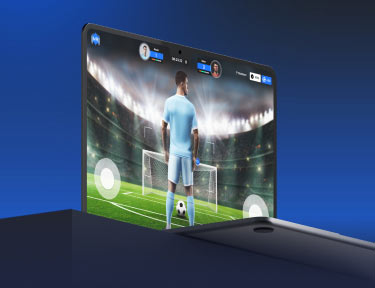
Football clubs, for the supporters who never get to the ground
A club's audience is enormous and mostly distant. Most supporters will never attend a match, and the commercial programmes have to reach them anyway.
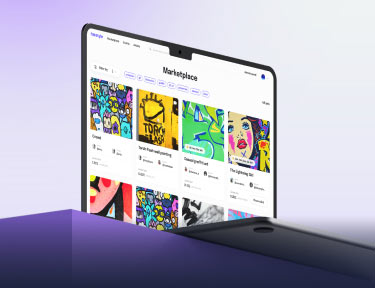
We designed the club's history as something you walk through, with the decisive matches and the player profiles built as exhibits. Quizzes and leaderboards sit over the top, and an AI guide gives tours. The commercial idea is where the merchandise sits. Put the shirt next to the moment that made it worth owning, with the full store a room away. Add a fan zone, sponsor spaces, and concerts on the days there is no match.
Football alone ran past a hundred pages of game design documentation, and it is the concept Xsolla's team took furthest. Watch the demo.
Universities, where the clinical case is the product
Here the buyer is a university teaching something practical. Dentistry was the developed example.
Clinical teaching is limited by scarce things: staff time, clinic hours, patients. A student cannot repeat a difficult case on demand.
So we made the case itself the unit of learning, and had the system generate each one. A student examines the patient, questions them, selects a treatment from real instruments and medications, and gets feedback on the reasoning. An adaptivity layer tracks where each student is weakest and generates cases aimed at those gaps.
One design decision carries the whole thing. The AI patient does not always tell the truth. Real patients forget, minimise and misdescribe, so a student who takes the answers at face value reaches the wrong diagnosis, which is the lesson.
The AI characters had to do work in the room
Every one of the four products depends on AI characters, and they are the reason the environments behave like services rather than showrooms. Xsolla had integrated GPT into the platform, so a character could hold a conversation instead of playing an animation.
What we defined was what each character is for. A guide and simulation participant in onboarding. A sales adviser and concierge in real estate. A museum host in football. In dentistry, the patient, the one place where the character is the obstacle. We have since taken an assistant of this kind into a working product, on a loyalty platform.
We also wrote the constraints. A general model placed inside a branded environment will answer questions the brand never asked it to answer, and it will do so on somebody else's servers. So we set the rules first, and they are product rules before they are engineering ones. Classify the content, define which role each answer serves, prepare the questions that role actually asks, then decide what the model may reach and what it may say.

What was
delivered
Four buildable products, a priced offer, and one of them running
Frequently asked questions about XLA Metasites
-
Why not just build on Roblox or Fortnite instead?
If the goal is exposure to a young consumer audience, you should. The gaming platforms win that comparison and it is not close. These four products exist for the opposite situation, where the buyer already has the people and needs them to do something specific. Get trained, buy a property, renew a membership, pass an exam. Roblox is a poor place to onboard your warehouse supervisors.
-
What is a game design document worth to an enterprise buyer?
It is the difference between a demo and a quote. An enterprise cannot fund a virtual environment described as an experience, because nobody can estimate it or say when it is finished. Written properly it names the users, the journeys, the mechanics and the content, and says what the system does when someone acts.
-
Aetsoft did not build these. Why does that matter?
Because the boundary is the interesting part. The platform, the engine and the AI belonged to Xsolla, and its team implemented the experiences. Our work was deciding which markets the platform could win, what the product had to be in each, and how the offer should earn. That has to be right before anyone opens an engine, and it is the part most often skipped.
Tell us what your product does and who you think should pay for it. We will tell you which of them has an audience and a funded job, and what the product would have to be for them.
A short product strategy and design engagement settles that before anyone opens an engine.